
Belgo Congo Role

What we say about the past.

This page exists because the question will be asked. Better to answer it ourselves, plainly.

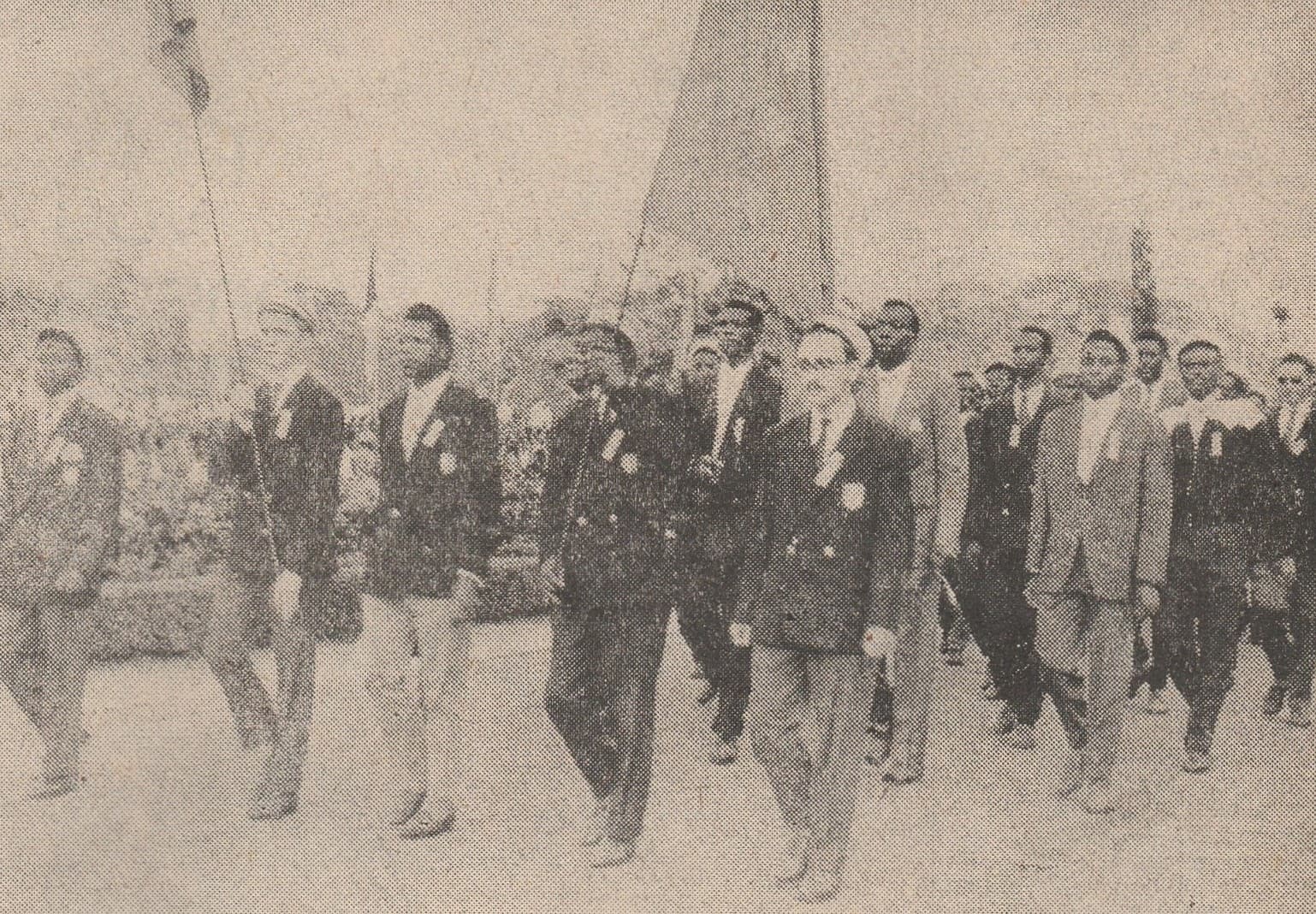
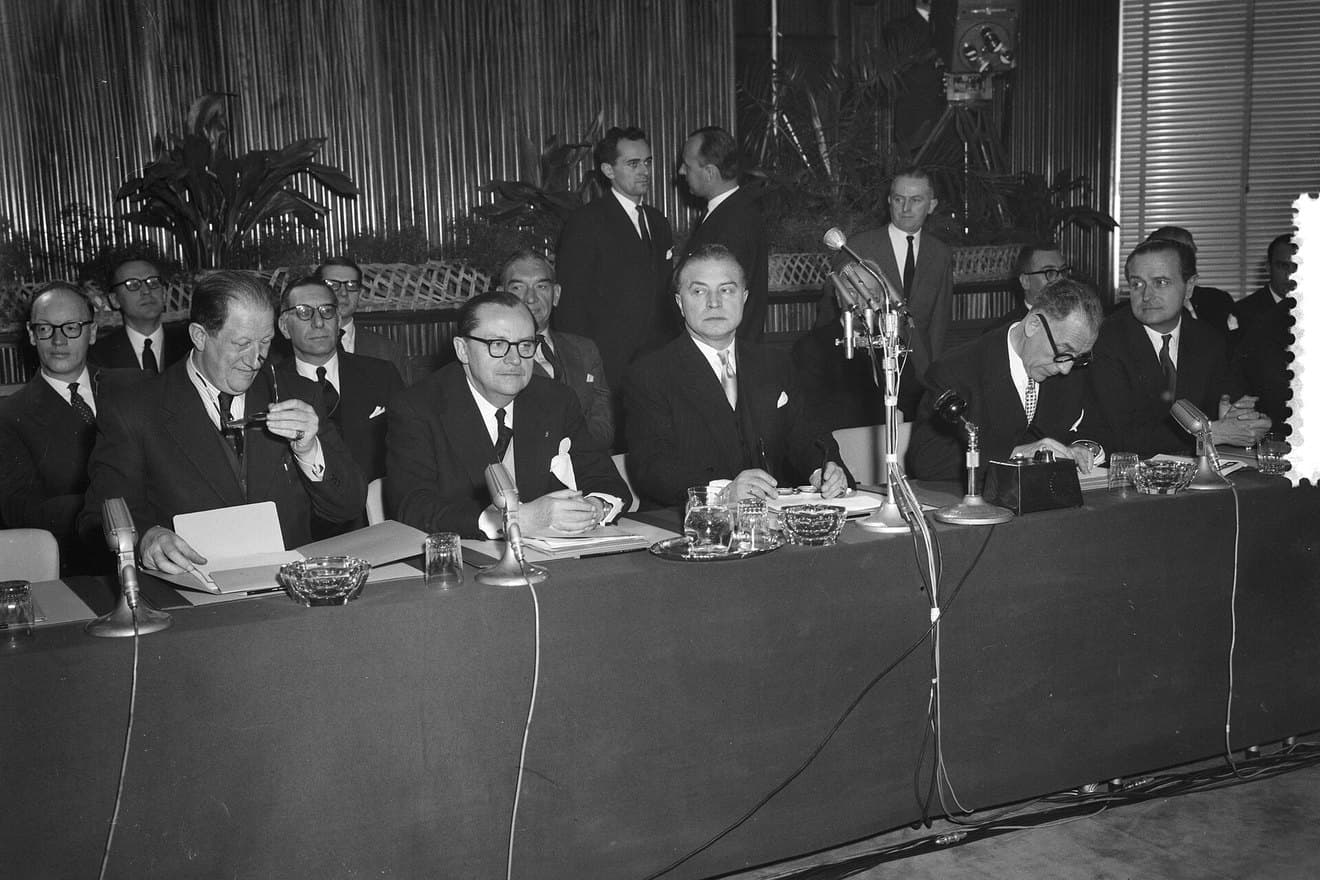
The Belgo-Congolese Round Table Conference in Brussels, 1960

A hundred and forty years, five dates.

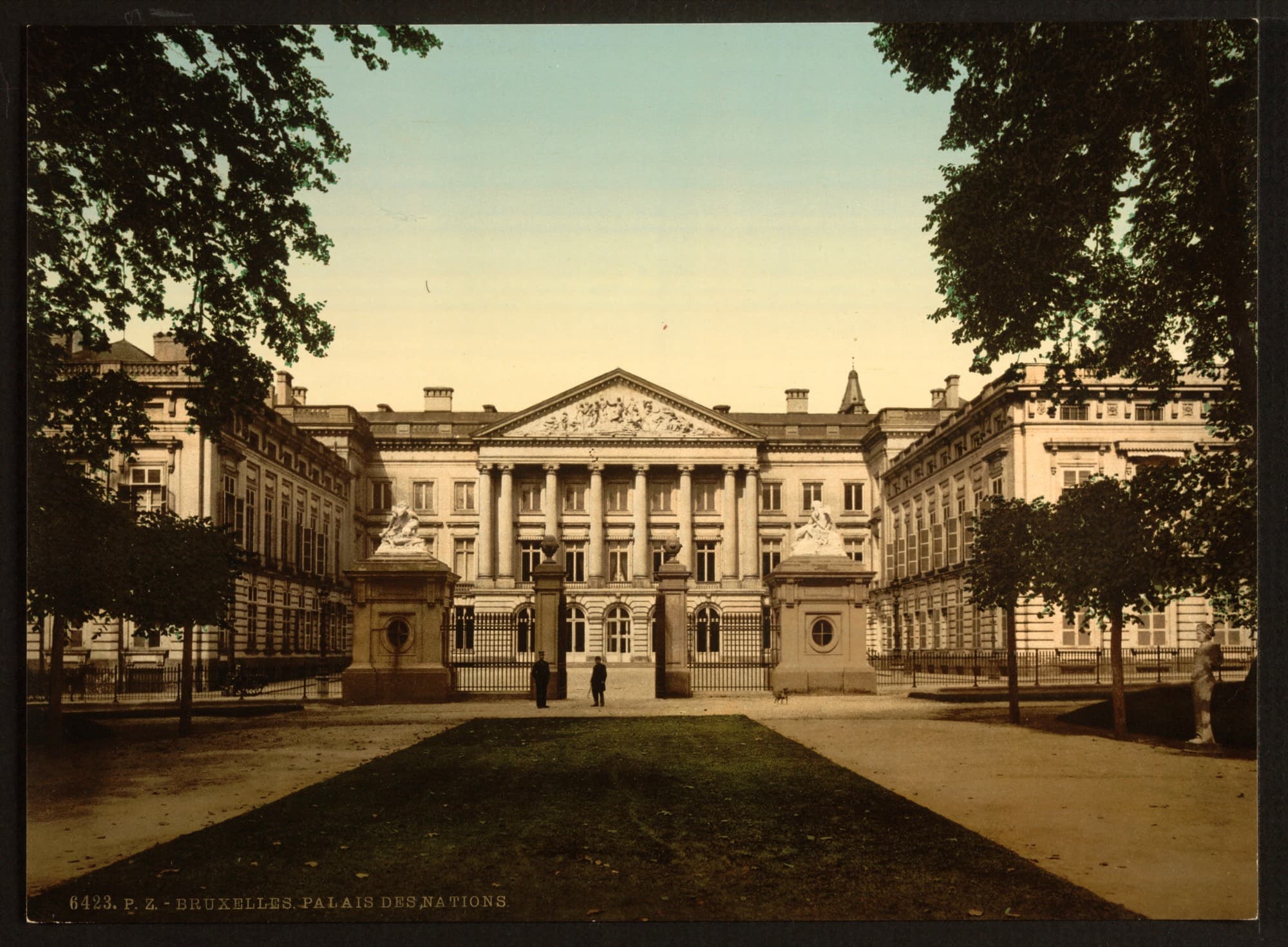
The Palace of Nations in Brussels, period photochrom

Belgium and the Congo share a long, documented and painful history. Belgo Congo Role does not dispute it, does not minimise it and does not stage it.

Our position has three parts. First: historical knowledge belongs to historians, and we fund their work rather than replace it. Second: acknowledging the past is a starting point, not a conclusion. Third: the most durable repair takes the form of universities that cooperate, companies that invest and young people who move.

We ask nobody to give up their memory. We ask that memory be put to use.

History

Historical responsibility

The relationship between Belgium and the Congo has a precise chronology, and ruptures nobody disputes. We set it down as it is. What follows is not a trial: it is the necessary starting point for everything the coalition undertakes.

  1. Private property

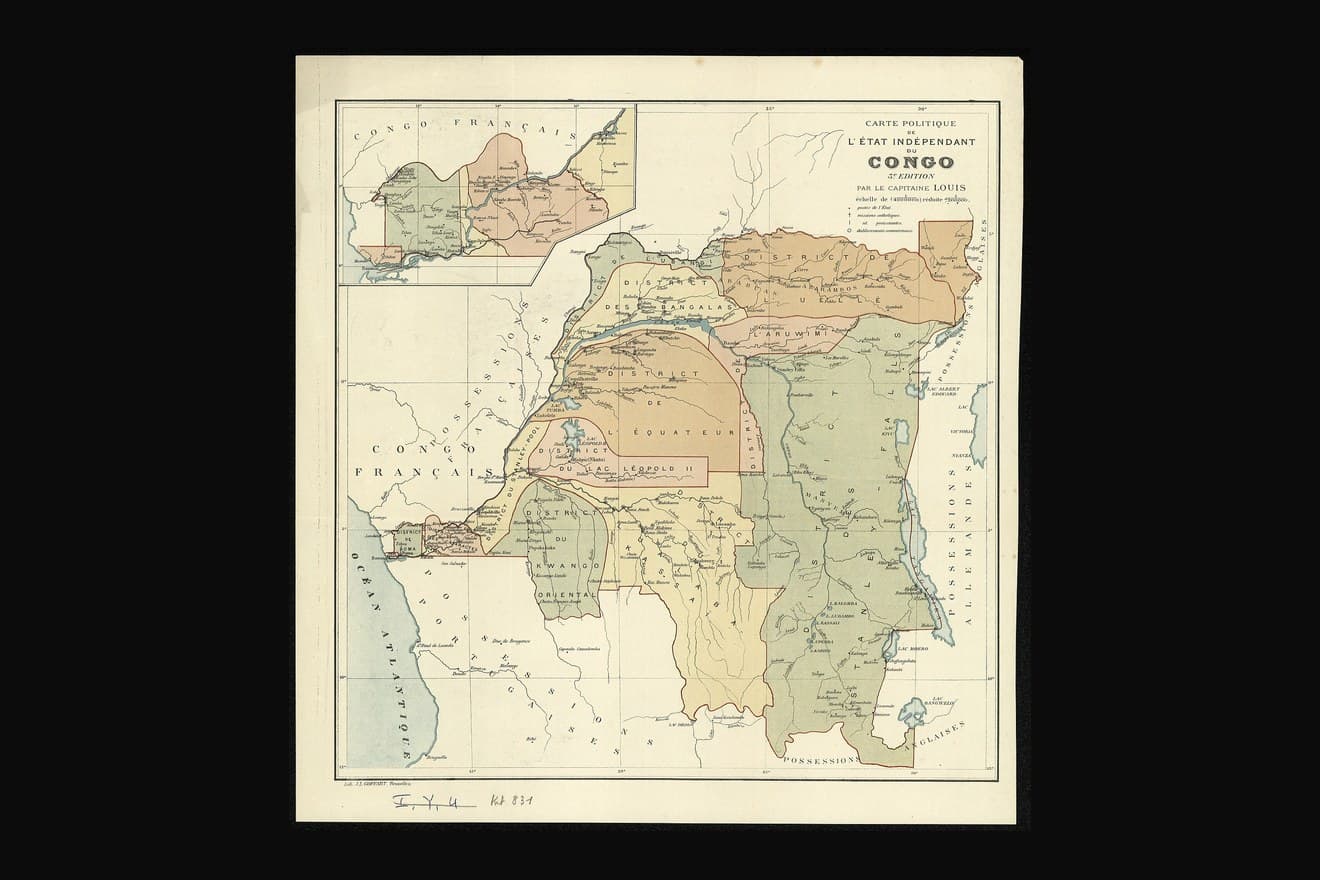
    On 1 July, Leopold II proclaimed the Congo Free State, recognised four months earlier by the Berlin Conference. The territory — 2,345,000 square kilometres, seventy-six times the size of Belgium — did not belong to the Belgian state. It belonged to the king personally, and would for twenty-three years.

    Political map of the Congo Free State, period engraving
  2. Belgium takes over

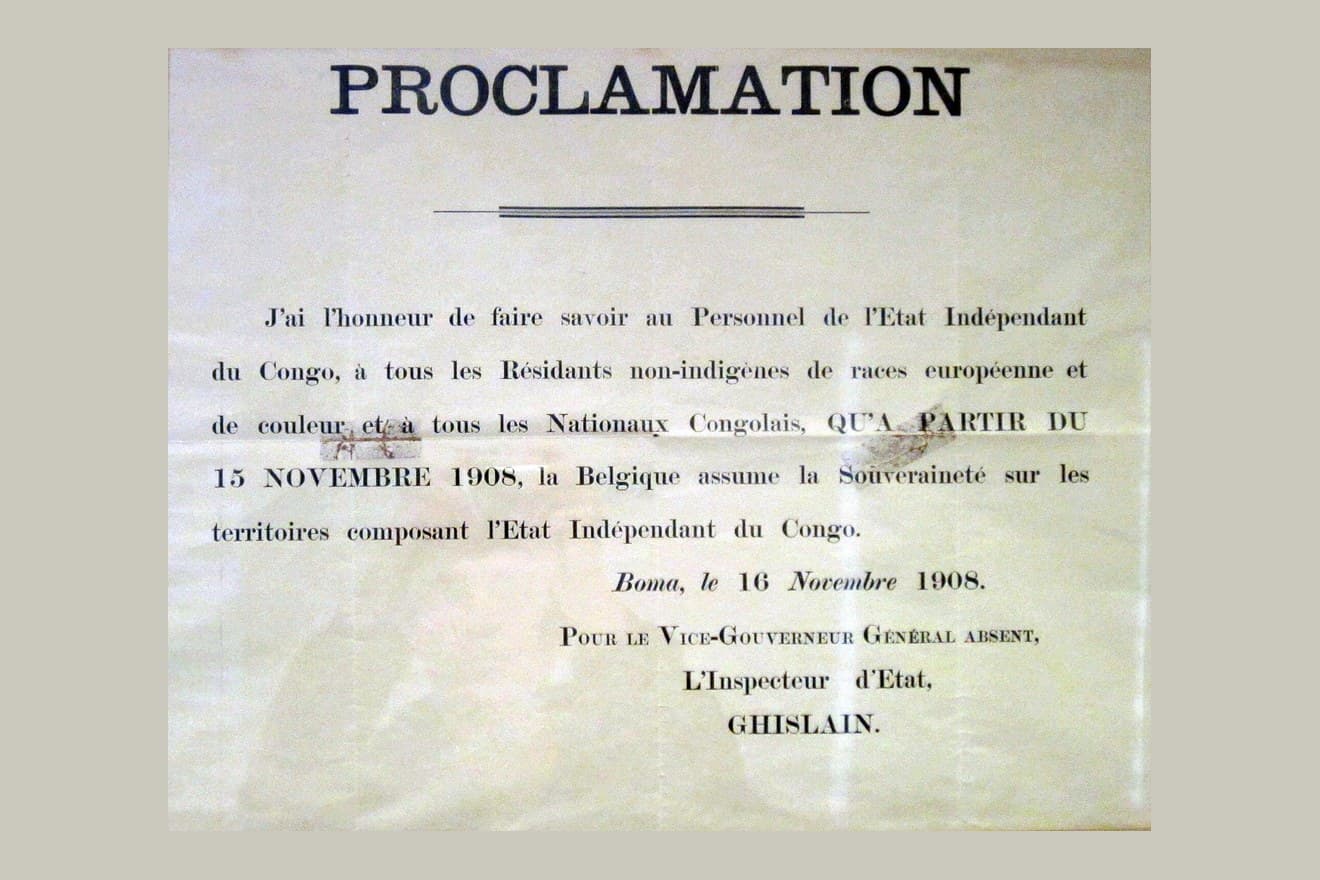
    The international campaign over forced labour and rubber forced Leopold II to cede control. Parliament passed the Colonial Charter on 18 October 1908 and the Congo became a Belgian colony. Article 3 banned forced labour for private profit. It was never enforced.

    Proclamation announcing that Belgium assumes sovereignty over the Congo Free State from 15 November 1908
  3. Independence

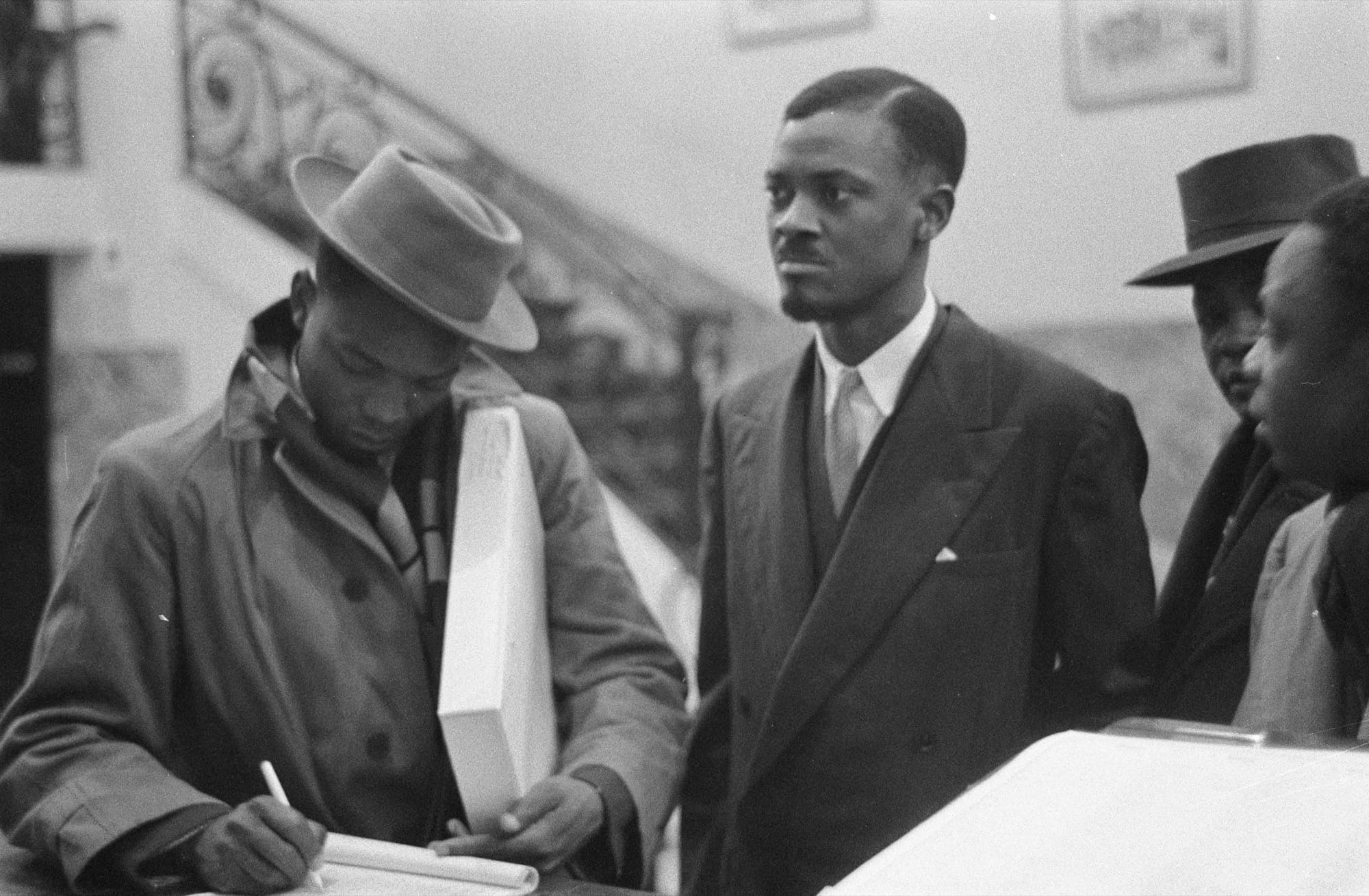
    The Brussels Round Table sat from 20 January to 20 February and set the timetable. Independence was proclaimed on 30 June. Within six months came the secession of Katanga, the institutional crisis, and the assassination of Patrice Lumumba in January 1961.

    Patrice Lumumba in Brussels in 1960, the year of independence
  4. A commission without a conclusion

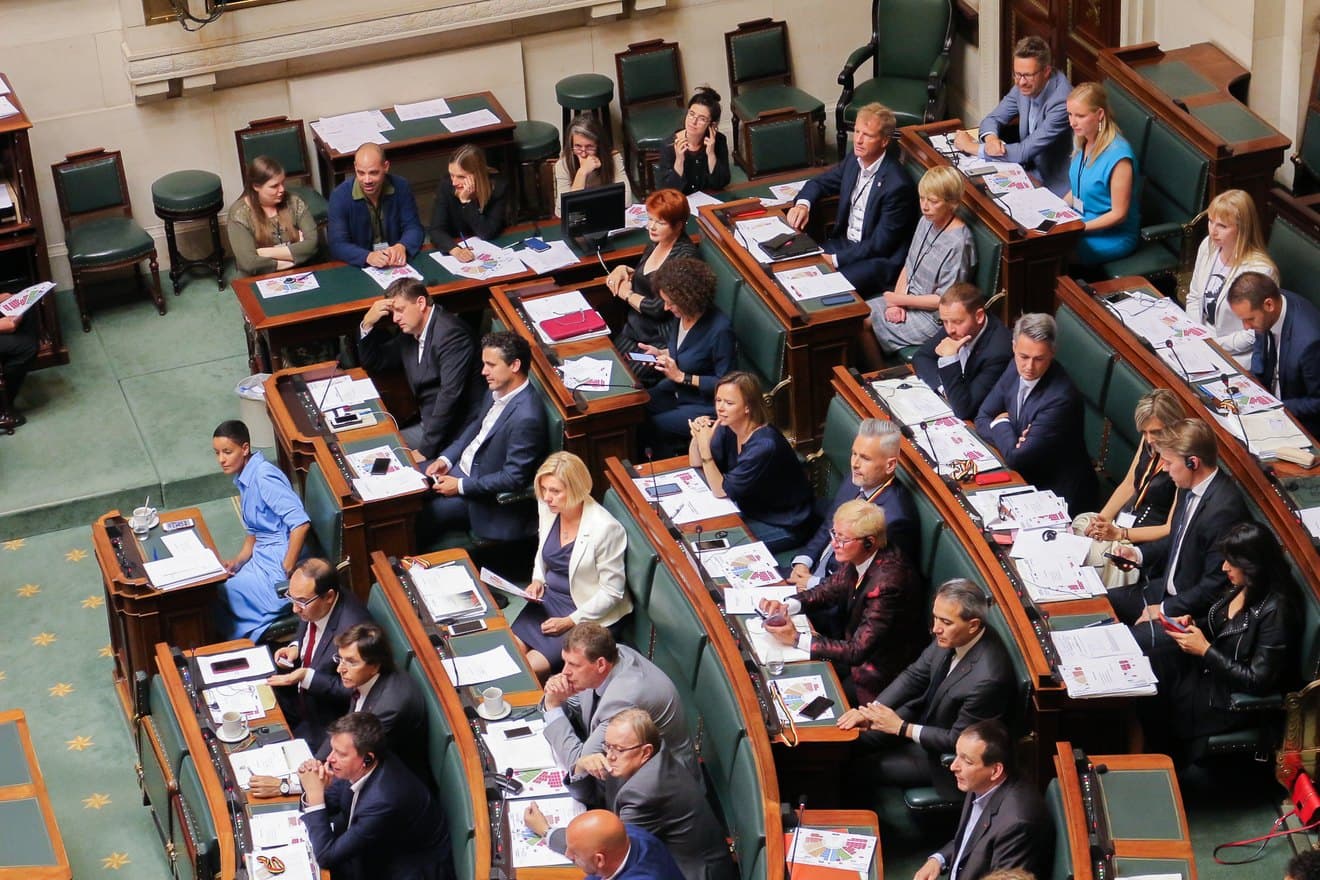
    The Belgian Parliament's special commission on the colonial past, created in June 2020, heard almost three hundred people over two and a half years and drafted a hundred and twenty-eight recommendations. On 19 December 2022, at the vote, several members walked out of the session: no official apology was adopted.

    A sitting of the Belgian Chamber of Representatives
  5. What is left to do

    What states did not conclude, institutions, universities and companies can build. The coalition replaces no government and demands reparation from no one. It works across the eight domains where cooperation produces measurable results.

    Young Belgian and Congolese participants working around a seminar table

Four periods, and what they left behind

What follows does not replace the work of historians; it summarises what is established and dated, so that nobody has to take us at our word.

1885 — 1908

The Congo Free State

The Berlin Conference, held from November 1884 to February 1885, recognised Leopold II's sovereignty over the Congo basin. The king proclaimed the Congo Free State on 1 July 1885. The name misleads: the territory, 2,345,000 square kilometres, was neither free nor Belgian. It was the sovereign's personal property, and remained so for twenty-three years.

The economy rested on ivory and then rubber, extracted under quotas imposed on villages. The report of the British consul Roger Casement, published in 1904, documented the mutilations and abuses; E. D. Morel's Congo Reform Association turned it into an international campaign. A commission of inquiry appointed by Leopold II himself confirmed the substance of the findings in 1905.
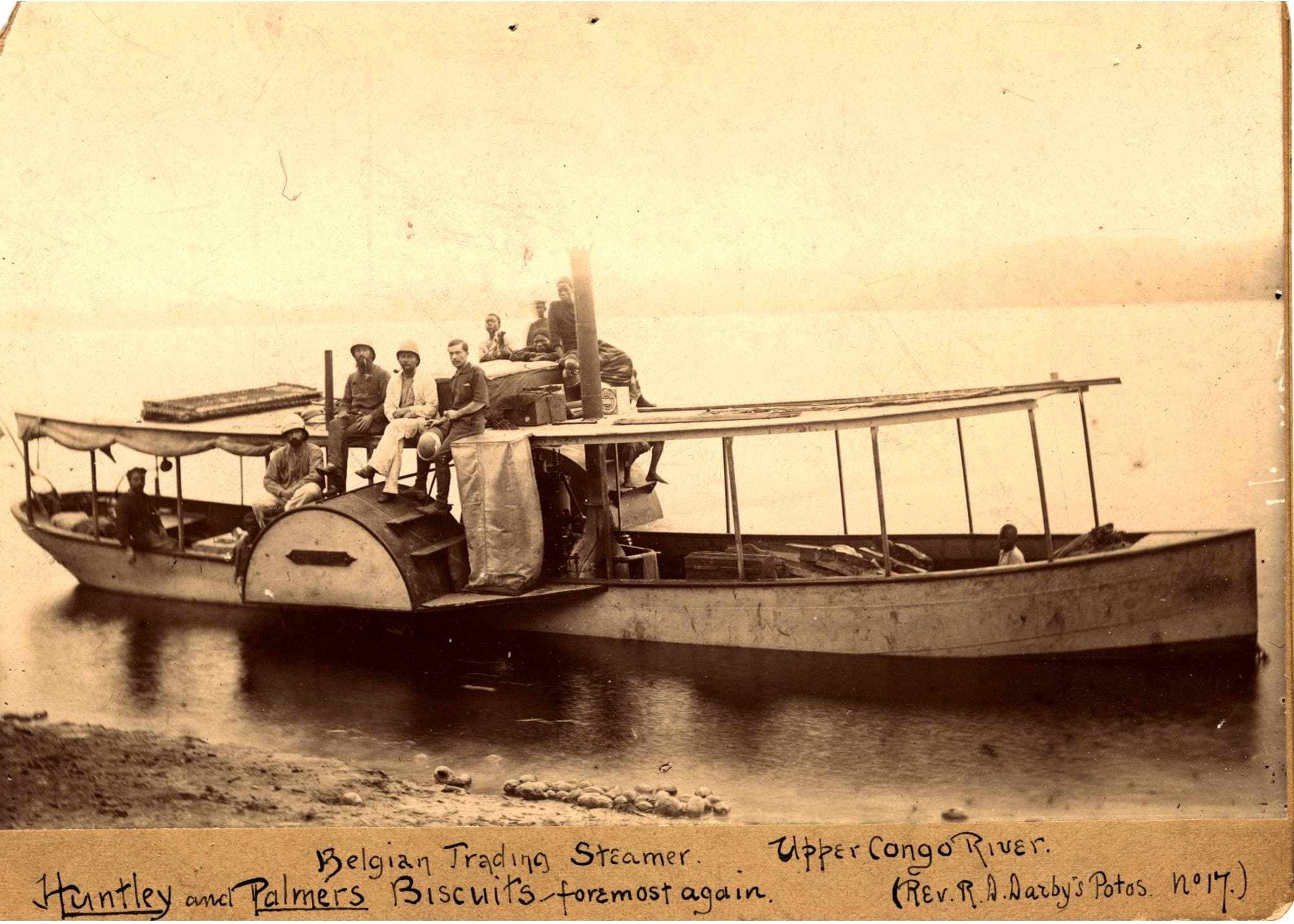
A trading steamer on the Upper Congo River, around 1890

1908 — 1960

The Belgian Congo

Under pressure, Leopold II ceded the territory to Belgium. Parliament passed the Colonial Charter on 18 October 1908. Its article 3 provided that no one could be compelled to work for the profit of companies or individuals. The provision existed; it was not enforced.

For fifty years the colony was presented as a model: a health network, wide primary schooling, a powerful mining industry around the Union minière du Haut-Katanga. Higher education, however, stayed closed almost to the end. On the eve of independence the country had a handful of Congolese university graduates and not one Congolese officer in its own army.

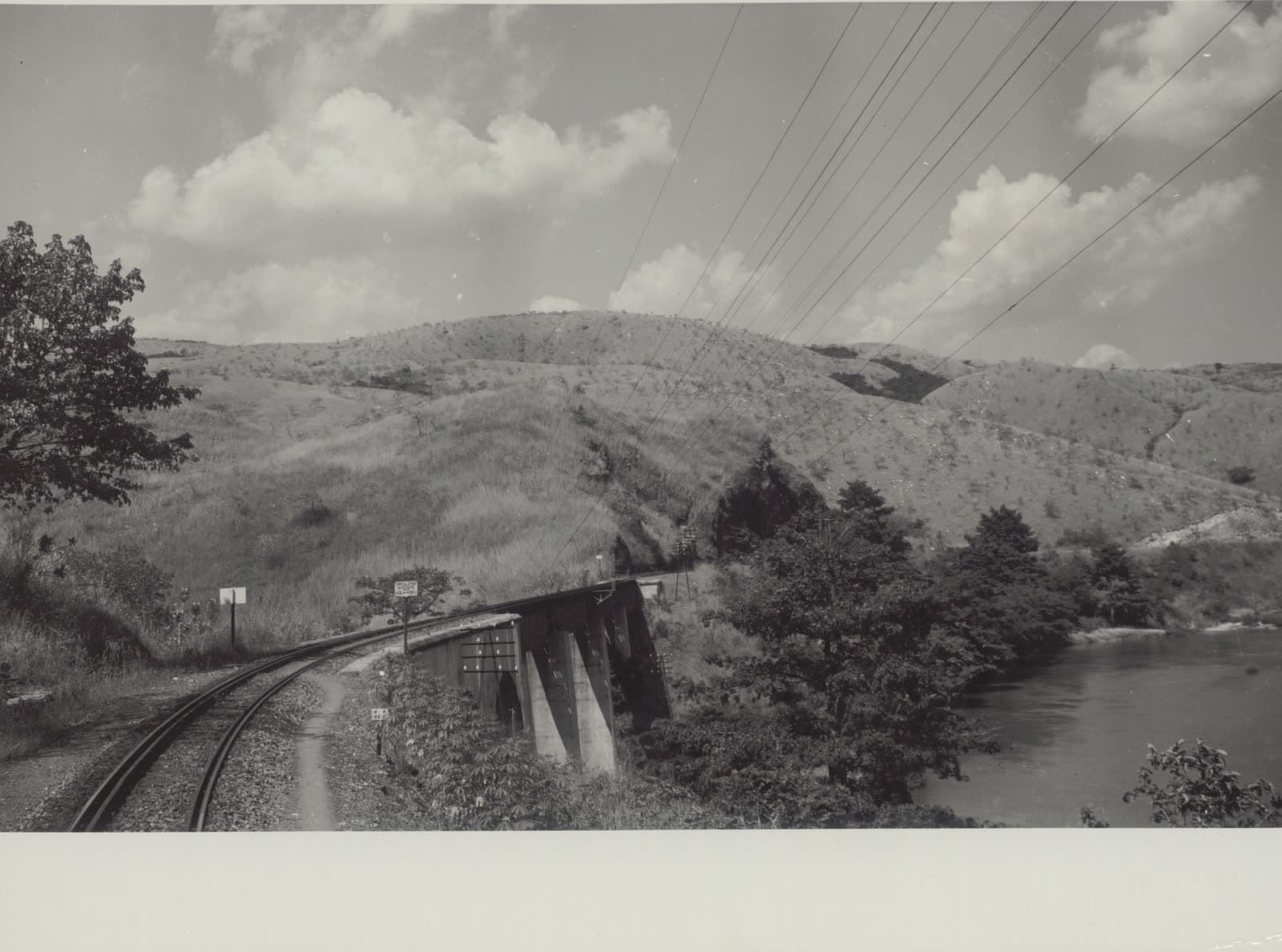
The Matadi-Léopoldville railway winding through the hills of the Bas-Congo, period print

1960 — 1965

Independence and crisis

The Brussels Round Table sat from 20 January to 20 February 1960 and set a five-month timetable. Independence was proclaimed on 30 June 1960. Patrice Lumumba's speech, delivered before King Baudouin, broke with the agreed protocol and became the most quoted text of that day.

What followed took six months: the mutiny of the Force publique, the secession of Katanga on 11 July, United Nations intervention, Lumumba's dismissal and arrest, and his assassination on 17 January 1961. Mobutu took power in 1965 and held it for thirty-two years.

Lovanium University students marching for independence, 30 June 1960

1999 — 2022

The age of memory

In November 2001 a Belgian parliamentary commission of inquiry concluded that Belgium bore a moral responsibility in the circumstances of Lumumba's death. It was the first official acknowledgement of its kind.

On 30 June 2020, sixty years to the day after independence, King Philippe wrote to President Tshisekedi expressing his « profound regrets » for the suffering inflicted. That same month the Chamber set up a special commission on the colonial past. On 8 June 2022, visiting Kinshasa, the king repeated those regrets and handed a Kuba mask to the National Museum.

The commission heard almost three hundred people, travelled to the DRC, Rwanda and Burundi, and drafted a hundred and twenty-eight recommendations. On 19 December 2022, as they came to a vote, several members walked out of the session. No official apology was adopted. Two and a half years of work ended without a conclusion.

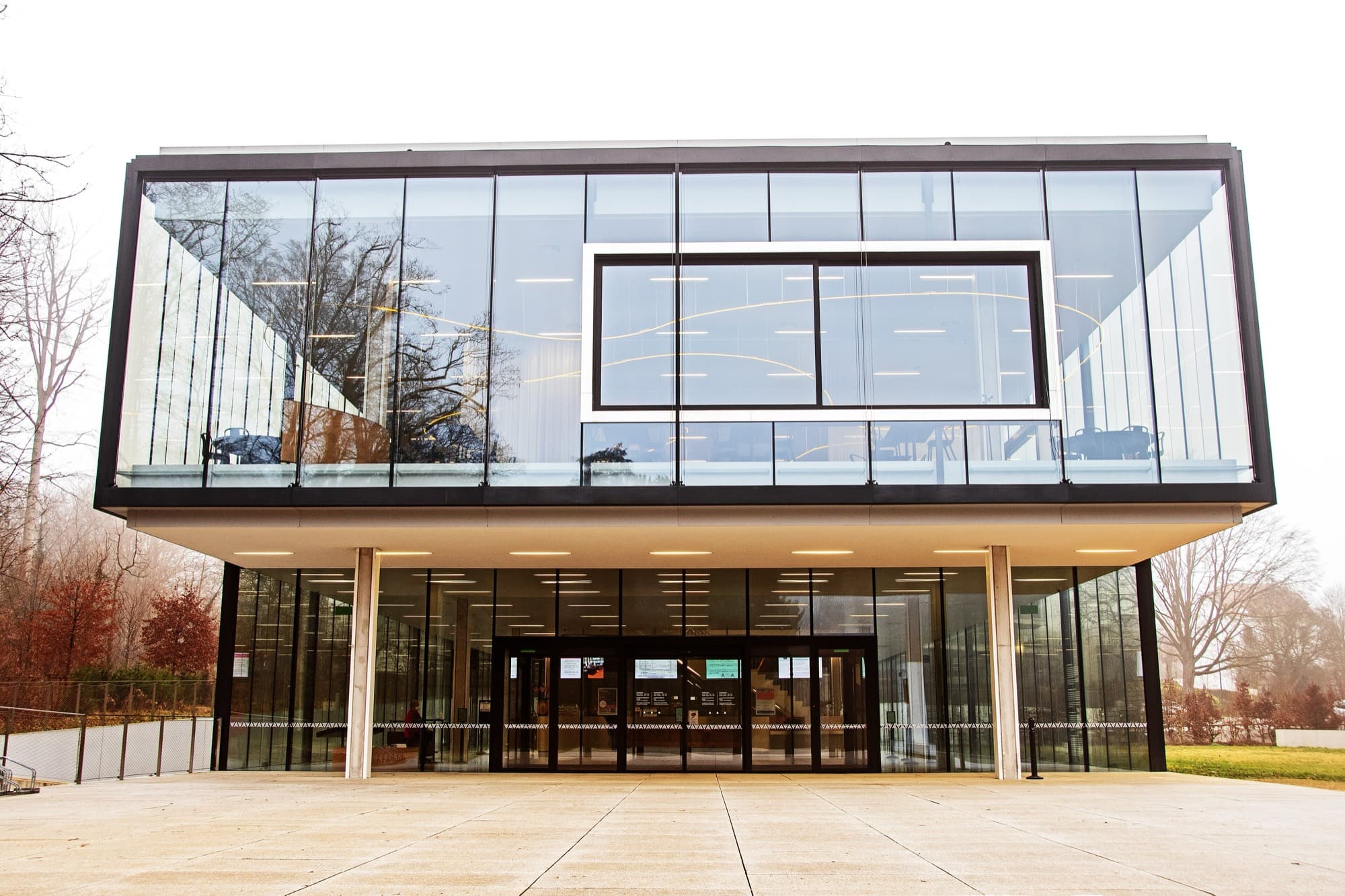
The contemporary pavilion of the Royal Museum for Central Africa, Tervuren

Where this comes from

  • Colonial Charter of 18 October 1908, passed by the Belgian Parliament.
  • Roger Casement's report (1904) and the report of the 1905 commission of inquiry.
  • Parliamentary commission of inquiry into the assassination of Patrice Lumumba, conclusions of November 2001.
  • Chamber special commission on the colonial past (June 2020 — December 2022), 128 recommendations.
  • Letter from King Philippe to President Tshisekedi, 30 June 2020, and the Kinshasa address, 8 June 2022.

What this produces in practice

  1. The European Parliament hemicycle in Brussels

    An annual conference cycle bringing together Belgian and Congolese universities.

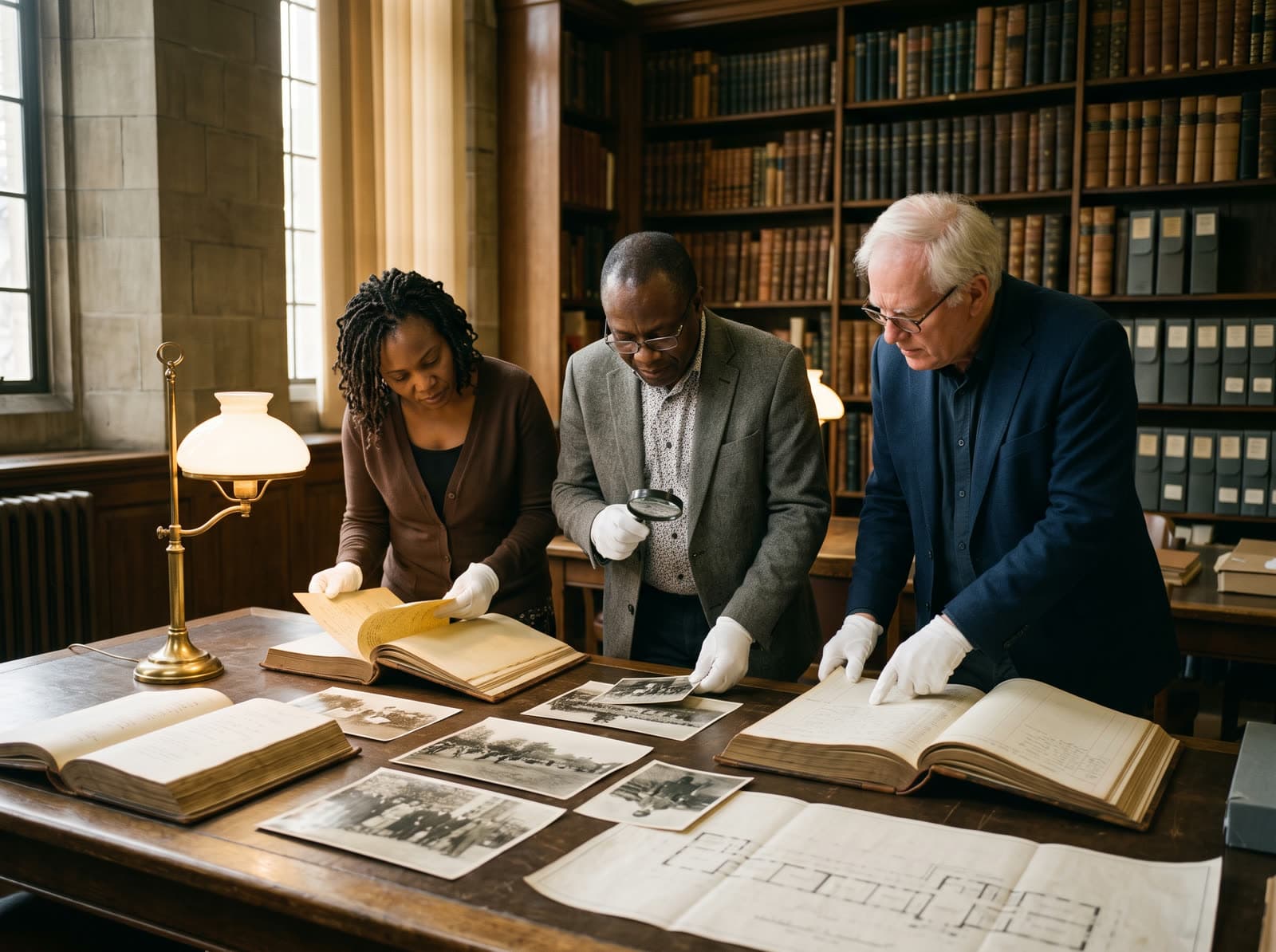
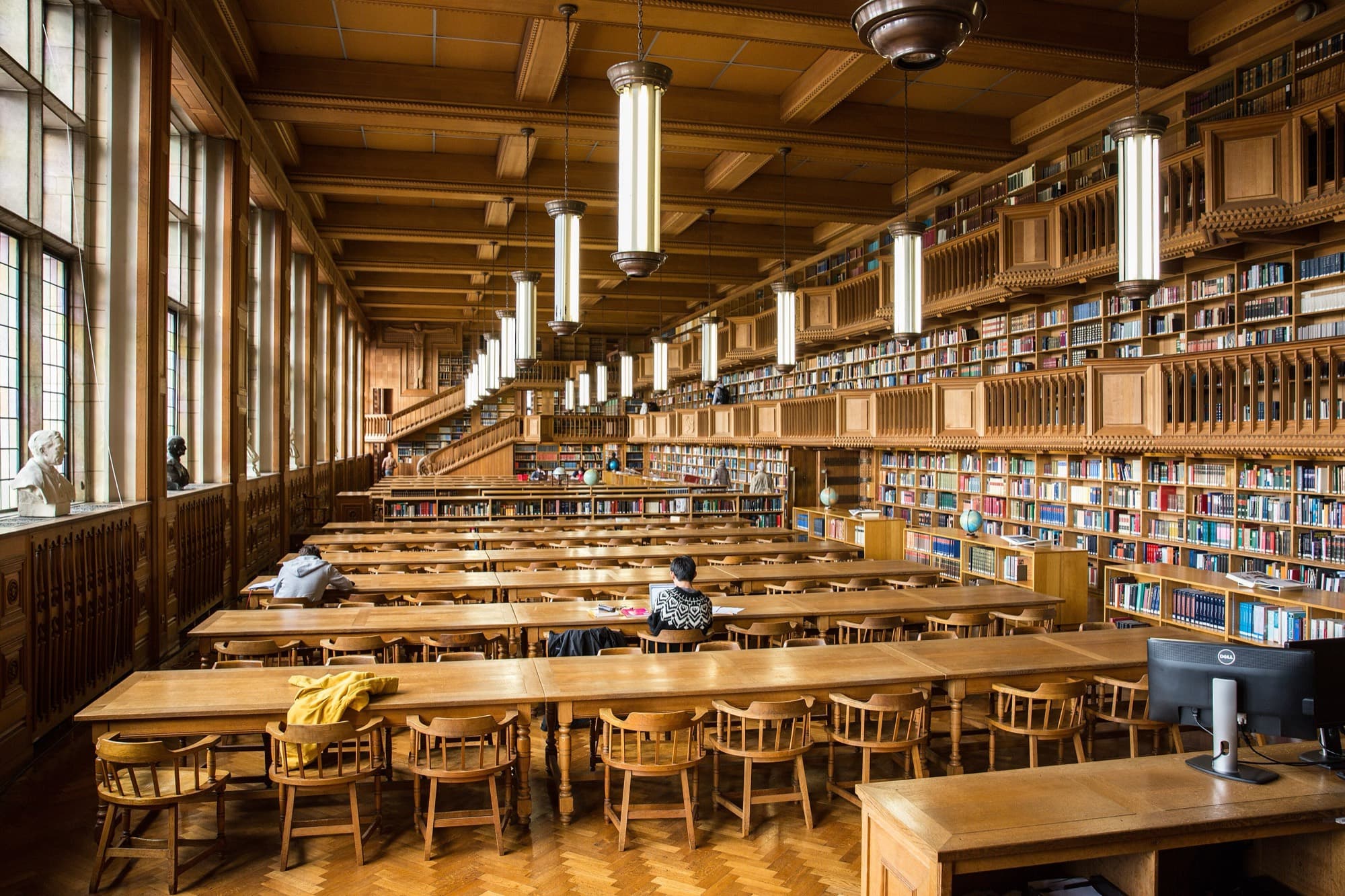
  2. The reading room of the KU Leuven university library

    Funding for historical research, with no editorial control over the conclusions.

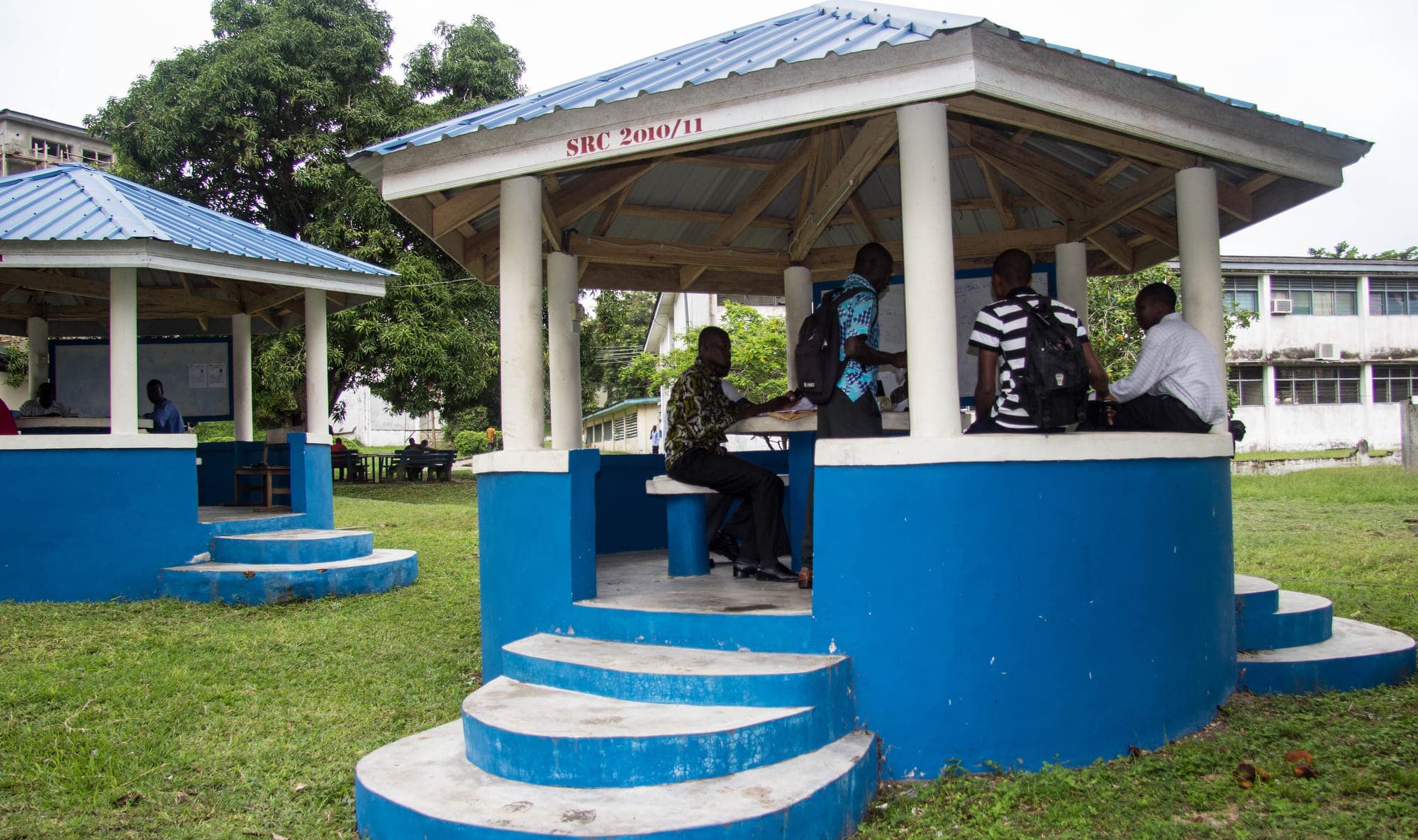
  3. A lecture hall at the University of Kinshasa during a session

    Doctoral scholarships on the shared history of both countries.

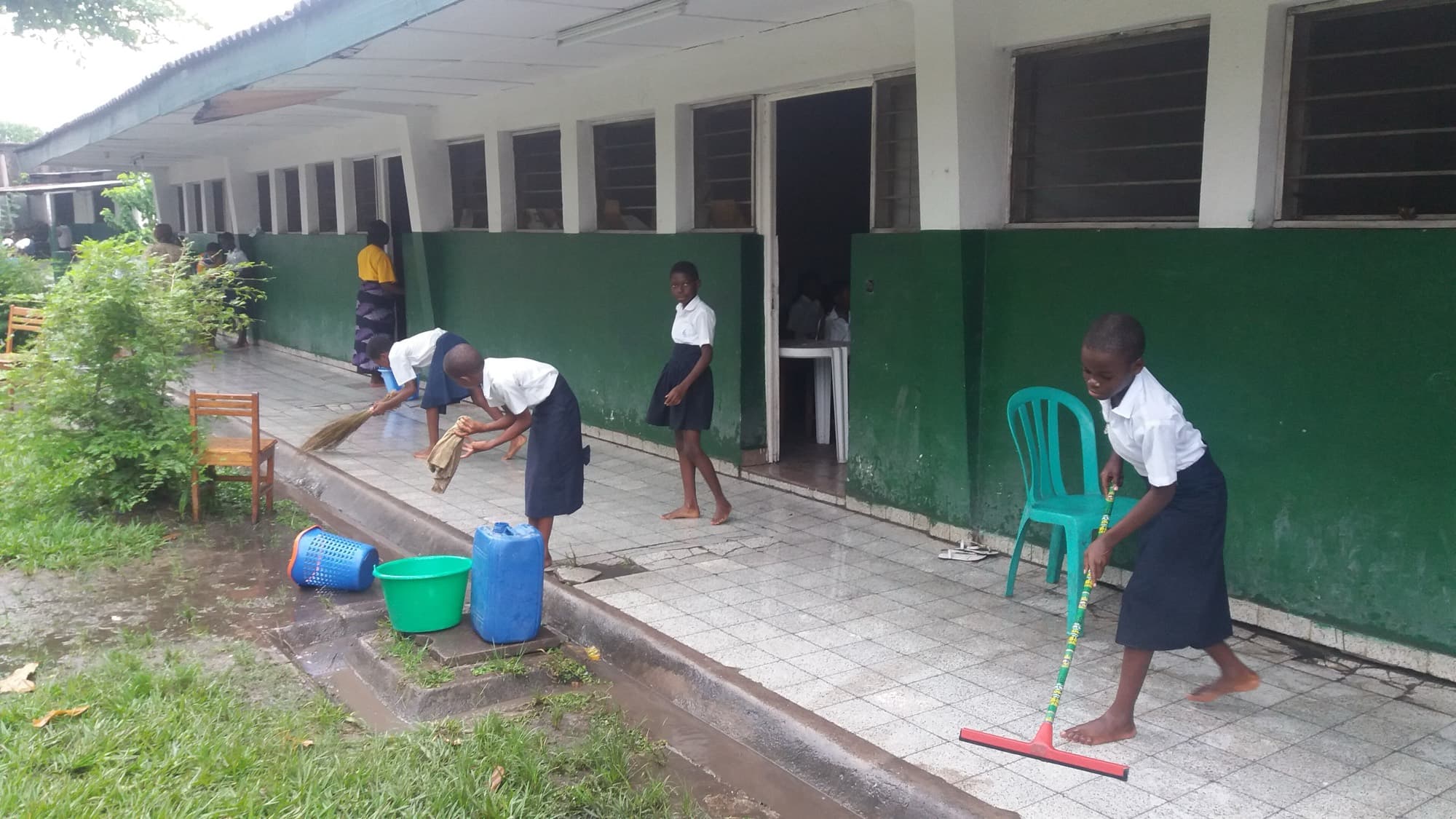
  4. Pupils tidying their classroom

    School programmes designed with teachers from both countries.

Funding work done together, not work done on one another.

Associated laboratories, calls for projects, open-access publication. The coalition funds mixed teams and pays for what is missing: instruments, computing time, fieldwork. Researchers keep control of their conclusions.

Research
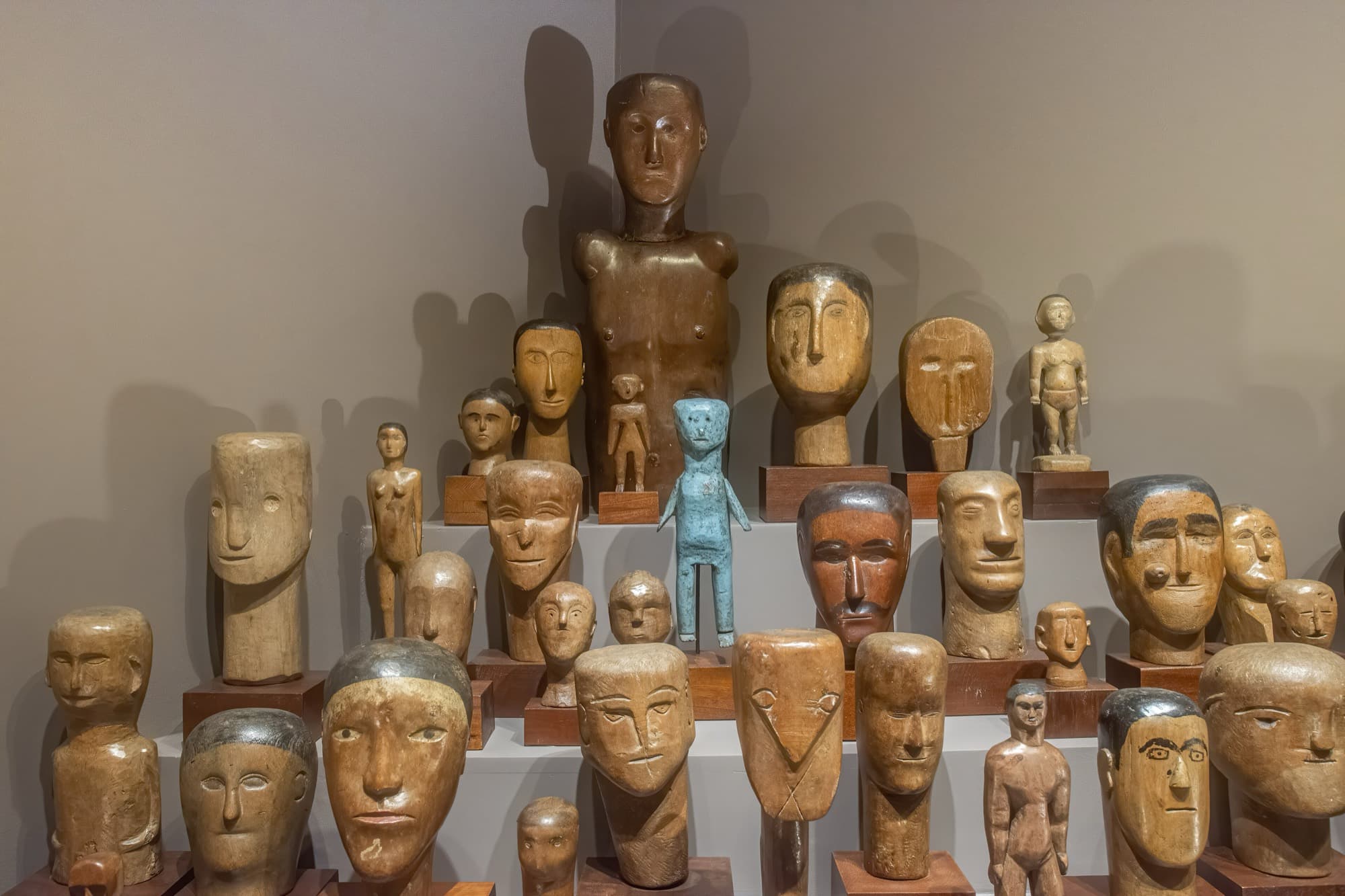
A group of African sculptures on display